
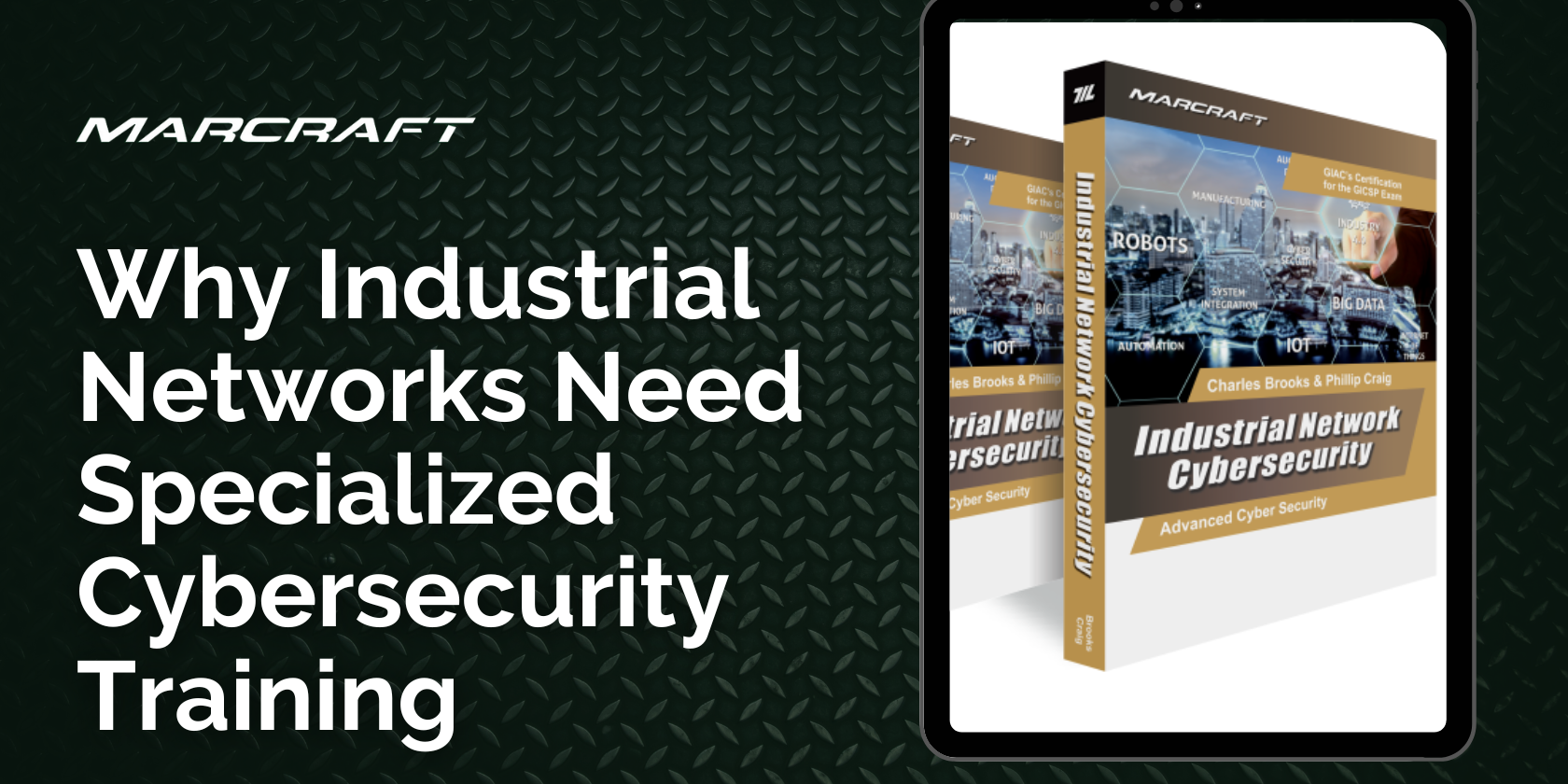
Why Industrial Networks Need Specialized Cybersecurity Training
Cybersecurity instruction often begins with enterprise networks, and for good reason. Students need to understand computers, servers, users, access control, firewalls, email security, cloud systems, and network defense. These are important building blocks for almost any cybersecurity career.
However, enterprise cybersecurity is only part of the picture.
As more industries rely on connected systems, automation, remote monitoring, and digital controls, students also need to understand the cybersecurity challenges found in industrial environments. These environments are often referred to as OT, or operational technology. Unlike traditional IT systems, OT systems are used to monitor and control physical equipment, machines, facilities, utilities, and industrial processes.
For instructors, this creates an important teaching opportunity. Students who understand how to protect an office network may still need a different foundation before they are ready to understand industrial cybersecurity.
Why Industrial Cybersecurity Is Different
In a traditional IT environment, cybersecurity often focuses on protecting data, users, applications, and business systems.
Industrial cybersecurity has many of the same concerns, but the consequences can be very different. In an OT environment, a cyber incident may affect:
- Production equipment
- Facility systems
- Utility operations
- Building automation
- Physical processes
- Safety and uptime
That changes the way students need to think about risk. The conversation is no longer only about stolen data or a compromised workstation. It can also involve downtime, equipment damage, safety concerns, and operational disruption.
When Safety and Uptime Come First
One of the biggest differences between IT and OT is the priority order.
In many enterprise cybersecurity lessons, confidentiality is a primary concern. Students are taught to protect sensitive data, restrict access, and prevent information from falling into the wrong hands.
In industrial environments, safety and availability often become the top priorities. If a system controls machinery, monitors a facility, or supports a critical process, keeping that system running safely may matter more than anything else.
This is an important mindset shift for students. A security decision that makes sense in an office network may not work the same way in an industrial environment.
Why Students Need Exposure to Industrial Protocols
Industrial environments use systems and protocols that students may not encounter in a standard cybersecurity course. SCADA systems, PLCs, and industrial communication protocols such as Modbus, DNP3, and BACnet introduce students to a different side of networking.
These systems are often used to control, monitor, and communicate with equipment in manufacturing, utilities, energy, water systems, building automation, and other industrial settings.
Without exposure to these concepts, students may leave cybersecurity programs with strong enterprise knowledge but limited preparation for industrial environments.
The Problem With the Air-Gap Assumption
Industrial systems were once commonly thought of as isolated from outside threats. The idea was simple: if a system was not connected to the internet, it was protected.
Today, that assumption is risky.
Modern industrial environments may include vendor access, remote monitoring, cloud-connected tools, maintenance connections, sensors, and legacy equipment that was never designed with today’s cyber threats in mind. Even when systems appear isolated, there may still be pathways for risk.
Teaching students about the limits of the air-gap assumption helps them think more realistically about how industrial systems operate today.
Helping Students Prepare for Real-World Cybersecurity Environments
For instructors, the goal is not only to teach cybersecurity theory. The goal is to prepare students for the environments they may actually encounter after graduation.
Marcraft’s CS-3000 Industrial Networks course gives students exposure to industrial cybersecurity concepts beyond the enterprise network. By introducing SCADA systems, PLCs, industrial protocols, and OT security priorities, instructors can help students build a broader understanding of where cybersecurity is needed and how the rules can change.
As cybersecurity continues to affect industrial systems, utilities, facilities, and critical infrastructure, students need more than traditional IT security knowledge. Industrial cybersecurity gives instructors a valuable way to expand that conversation and help students prepare for the next level of real-world cyber training.